Cardiff Dracs: Barry Town United starlet’s first goal and how they survived Baglan Dragons – talking points

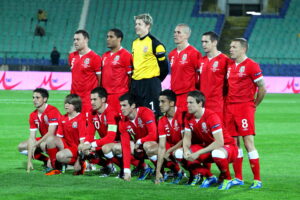
Haben Samson scored the game clinching goal for Cardiff Dracs against Baglan Dragons. (Image: Harley Lloyd-Cooksley)
Cardiff Dracs made it back-to-back victories as they held on to beat Baglan Dragons in the Cymru South at Lydstep Park.
Tobias Jones opened the scoring for Baglan, despite Kieran Parsons being shown a red card in the first minute, and also conceded a penalty. Luke Gullick stepped up from the spot, but he was unable to convert the spot-kick for the hosts.
Dracs responded before the break, with debutant Keegan Saunders finding the net to level the scores on his first appearance following his deadline-day move from Barry Town United.
Haben Samson then completed the turnaround six minutes into the second half, putting Dracs ahead. It was a tense finish at Lydstep Park, however, with Efu Kazadi shown a second yellow card.
Despite the red card and an injury late on. The hosts held firm to secure their second successive victory in the league.
The result moves Cardiff Dracs up to 12th in the table, while Baglan Dragons drop to fifth. Here’s the talking point from the action.
Keegan Saunders impresses on Cardiff Dracs debut after Barry Town United move
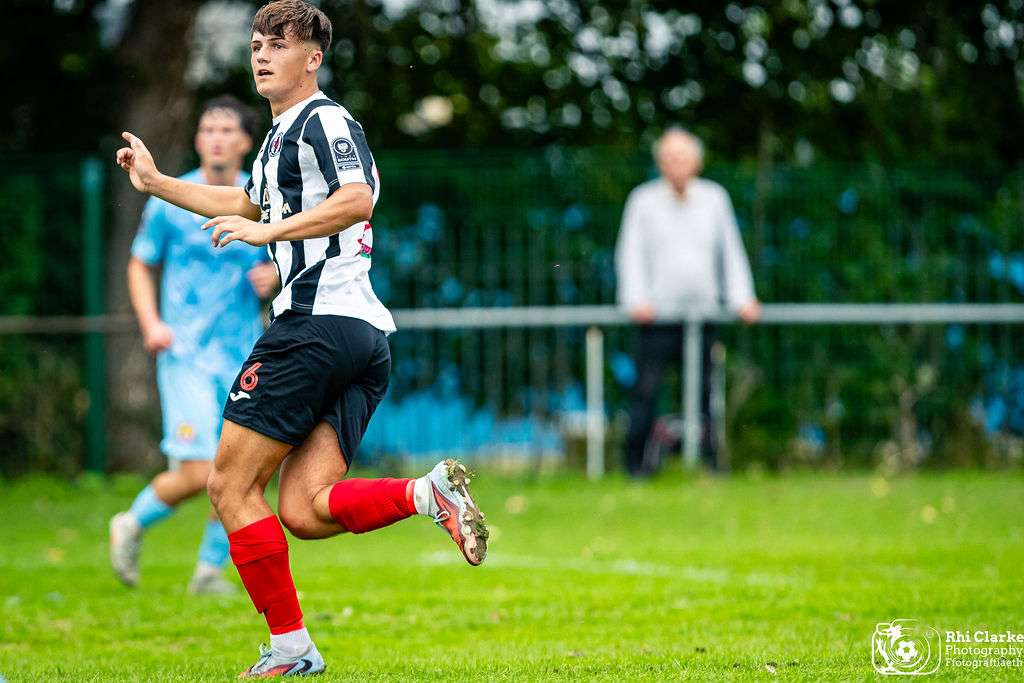
There was plenty to like about Keegan Saunders’ first appearance in senior football and his goal was perhaps the clearest indication of why he has been trusted at this level.
The 17-year-old attacked Myles Corson’s corner with real conviction, rising highest to head home.
For a young centre-back, it was an important detail. Defenders can sometimes arrive in the box hoping the ball falls their way; Saunders went looking for it. He imposed himself, attacked the delivery and made his presence felt, precisely what you want from a centre-back in the opposition penalty area.
A particularly impressive moment came when Saunders took responsibility in possession, carried the ball forward and then lifted a clever pass over the top for Dan Bowen.
Dracs’ tendency to overplay in the final third had occasionally made their attacks look more complicated than they needed to be. This was the opposite. Saunders recognised the space, backed his ability on the ball and played forward early, creating a chance which ultimately forced Cameron Clarke into a save.
Perhaps most encouragingly, he responded well when the game became more difficult.
Following Kazadi’s red card, Saunders was left as the only recognised centre-back for more than 10 minutes with relentless pressure from the visiting team. That could have exposed his inexperience, but instead he showed composure and positional discipline to help his side through the closing stages.
For all the obvious excitement around a teenager scoring on his senior debut, it was arguably his decision-making and willingness to take responsibility that offered the most encouraging signs. The goal will grab the headlines, but there was considerably more substance to Saunders’ performance than that.
First-half tactical change opens it up
The introduction of Dan Bowen changed the game for Cardiff Dracs. Before he came on, they looked flat through the middle, were cheap in possession and struggled to turn their numerical advantage into sustained pressure. Gullick had been isolated, particularly after his missed penalty, and Baglan’s back line were able to contain him.
Bowen gave Dracs a completely different outlet, with his hold-up play bringing others into the game and giving Cardiff a more direct route into the final third. Within three minutes he had forced a save with a half-volley, and by the end of the half Sam Cawley was finding more space and Dracs were creating chances.
After the break, Bowen was again central to the second goal, unselfishly trying to pick out Cawley before Samson followed up. The contrast was clear: before Bowen, Dracs were struggling to impose themselves despite the extra man; after the tactical switch to 4-4-2, they had a focal point and began to look much more like the team with the advantage.
Dracs have to dig in
It’s important to put this result into context for Cardiff Dracs. They hadn’t played a competitive game for three weeks, so there was always going to be a question about sharpness and rhythm. They were also facing a Baglan Dragons side who had started the season well and had travelled particularly strongly; this was their first away defeat of the campaign.
Dracs had the numerical advantage from the fourth minute right through until the 81st, but even then they couldn’t simply put the game to bed. After Kazadi’s red card, it became ten against ten, and with substitute Cameron Egan then unable to continue because of his hamstring injury, Dracs were down to nine in the closing stages. They had to withstand significant Baglan pressure, defend their box and find a way to see the game out.
There were plenty of things Dracs will feel they could have done better, but that shouldn’t overshadow the resilience they showed to get the three points. There was also the welcome return of Nathan Mathias, making his first start of the campaign after missing the opening few matches. His presence as the holding midfielder brought some experience and structure back into the side, and having him available again will be a real positive for Nana Baah.
So perhaps it wasn’t the most convincing performance, but after three weeks without a game, against a Baglan side who had been so strong away from home, and having to survive those extraordinary late circumstances, Dracs found a way to win. And ultimately, that is a real positive to take from the afternoon.
Johnson Steps Up When Called Upon
Harry Johnson had an important role to play when Dracs needed him, with his standout moment coming in the second half when he denied Tobias Jones in a one-on-one. It was a really important save with Baglan threatening, and Johnson showed good composure when called upon.
He also grew into the game with the ball at his feet, overcoming some early jitters to show confidence in possession rather than simply getting rid of it. He was good dealing with corners too, tending to claw everything away, and wasn’t afraid to come off his line and take control. Add in the late save from Lewis Holmes’ looping header, and it was a performance that grew in confidence as the afternoon went on.
Baglan Dragons have an old-fashioned number 9
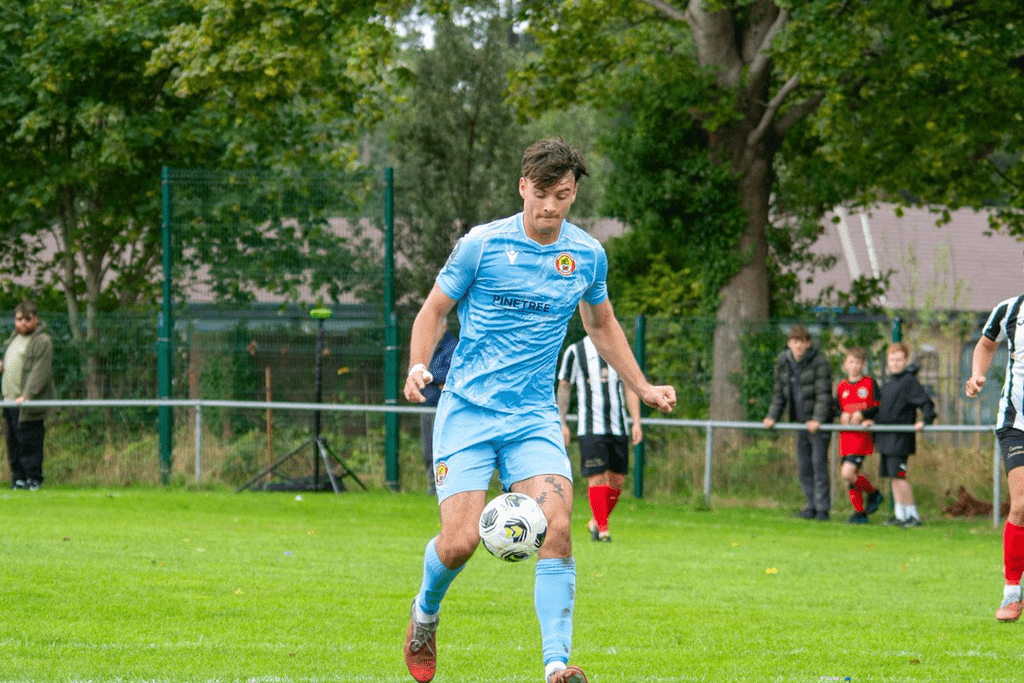
Tobias Jones was a real handful throughout the afternoon. Playing as Baglan Dragons’ lone striker, he gave the Dracs centre-backs a constant problem with his movement, physicality and willingness to run in behind.
He looked like a proper traditional No. 9, using his body well to hold the ball up and bring teammates into play. Even with Baglan down to ten men, Jones provided them with an important outlet and repeatedly gave the opposition something to worry about, breaking the deadlock with a composed finish, lobbing the goalkeeper.
He had more chances particularly and perhaps could have done better with second of the one-on-ones, but credit has to go to the goalkeeper for coming off his line quick enough to block the shot. But his overall contribution was about much more than finishing. He continually occupied defenders, competed for long balls and won fouls when Cardiff struggled to deal with him.
His performance was summed up late on when Cardiff were forced into a second red card after bringing him down as he threatened to get away. Jones had been such a nuisance that opposition defenders increasingly found themselves having to stop him rather than contain him.
For a side playing with ten men for almost the entire match, Baglan will be delighted with the performance of their No. 9. Tobias Jones never let the hosts’ defence settle.
Baglan showed character after the red card
Baglan Dragons showed plenty of character after being reduced to ten men so early in the game. With Cardiff Dracs handed a penalty and a numerical advantage inside the opening minutes, it would have been easy for Baglan to collapse.
Instead, they responded brilliantly. They remained aggressive – personified by Tom Randall – and pressed Cardiff high and continued to look for opportunities going forward. Their reward came when Cardiff switched off at the back, and Baglan’s No. 9 calmly lifted the ball over the goalkeeper to put them ahead.
The goal was symptomatic of some of the problems Dracs were having. Everyone seemed to stop expecting a flag, but the whistle never came, and more importantly, there was a lack of communication between the two defences, allowing Baglan’s number nine to run through and lift the ball over Johnson.
Then, just three minutes later, almost the same thing happened again, with Harry Johnson forced to make a recovery to prevent another goal. The goal seemed to knock the confidence out of Cardiff rather than Baglan, and suddenly a side with ten men was creating the clearer chances. Given that Drac had a man advantage, they simply shouldn’t have been allowing Baglan so much space and presenting them with those opportunities.
Even after conceding two goals, Baglan refused to disappear from the game. They continued to threaten with balls over the top, used Jones effectively as an outlet and, once the game became ten-a-side late on, pushed players forward in search of an equaliser.
The result may not have gone their way, but the response to that early red card was one of the real positives for Baglan. They made Cardiff work extremely hard for the victory and showed plenty of resilience right until the final whistle.