STM Sports: The Welsh Football Fairytale That Ended Before It Reached Its Final Chapter
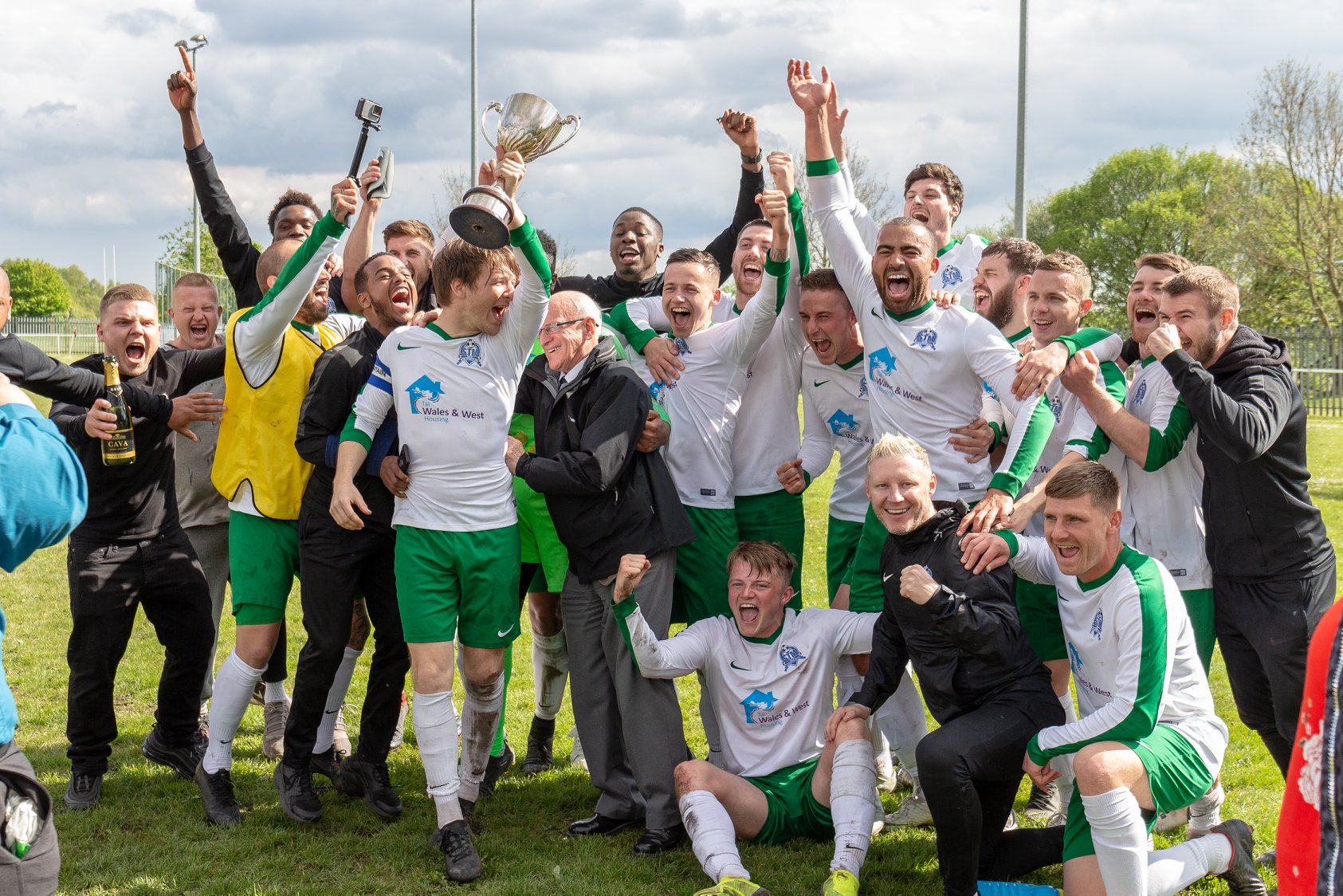
STM Sports left their mark on Welsh football in their short history. (Image: Mike James)
Imagine building a football club from nothing, climbing through the divisions, reaching a national cup final, and standing just 90 minutes away from a meeting with some of the biggest names in British football.
Then imagine it all disappearing. That was the fate of STM Sports.
A club formed in the Cardiff suburb of St Mellons, built on ambition rather than history, and driven by the belief that a group of players could create something far bigger than their surroundings suggested.
In little more than a decade, STM went from Sunday League football to the edge of the Welsh football summit. They defeated established clubs, played at national stadiums, and reached a cup final that few outside their own dressing room would have imagined possible.
Then, almost as quickly as it arrived, the journey ended. STM Sports became a reminder of both sides of football’s romance: the possibility of achieving the extraordinary, and the difficulty of sustaining it.
The Rise of STM Sports: From Sunday League Football to the Welsh League
Football has always been built on unlikely stories. The appeal of the game often lies in the idea that a small club, with enough belief and organisation, can challenge those with greater resources and deeper histories.
For anyone who has spent hours on Football Manager, the challenge is familiar: take a club from the bottom of the pyramid and guide them towards glory.
STM Sports lived that fantasy in real life. Formed in 2007 from players associated with Cardiff Cosmo Portos and Sunday League side Willows FC, the club began life in the Cardiff Combination League.
There was no grand history to draw upon. No generations of supporters. No decades of tradition. Just a group of players, coaches and volunteers determined to build something.
The first signs of what STM could become arrived quickly. Promotion took them into the South Wales Amateur League, now known as the South Wales Premier League, where they immediately won the title in their first season. Their progress was relentless.
Within three years, STM had reached the Welsh League, then the fourth tier of Welsh football, completing a rise that would have seemed unrealistic when the club first began.
Their promotion was secured at Cardiff City Stadium, the home of Welsh football, after a 4-1 victory over Pontlottyn.
Even then, however, the club’s journey came with complications. Promotion required an appeal, an early indication of the challenges that would later follow STM throughout their existence.
Their rise was powered by a combination of talented players, strong management and a willingness to challenge clubs with far greater histories. By the 2019/20 season, they found themselves on the biggest stage of their short history.
The Nathaniel MG Cup Run That Captured Welsh Football
The Nathaniel MG Cup run became the defining chapter of STM Sports’ story.
Their path to the final was not built on luck. They earned it. They defeated promotion contenders Haverfordwest County before eliminating Cymru Premier opposition in Newtown and Aberystwyth Town.
For a club that had begun in the Sunday League, reaching a national cup final represented something extraordinary.
The reward was a meeting with Connah’s Quay Nomads, a side that would soon establish themselves as one of the dominant forces in Welsh football.
The final at Latham Park was ultimately one step too far. Connah’s Quay won 3-0, with their squad featuring Priestley Farquharson, who would later move into the English Football League.
The defeat ended STM’s pursuit of silverware, but it could not diminish what they had achieved. They had taken a club that did not exist a little over a decade earlier and placed it among Welsh football’s biggest occasions.
Why Did STM Sports Fold?
The cruellest moments in football are often the ones that arrive after success. For STM, the end came during a period when everything on the pitch suggested progress was still possible.
Just over a month after their cup final appearance, football was suspended because of the COVID-19 pandemic. The season was eventually curtailed, then came the decision that changed everything.
In May 2020, STM Sports were denied the licence required to compete in Tier Two of Welsh football.
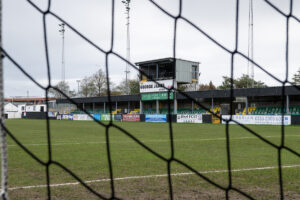
Despite their achievements on the pitch, they were forced down into the third tier after an unsuccessful Tier Two licence application, owing to the inability to improve the Cardiff University Playing Fields home. Two months later, the club announced it would cease to exist with immediate effect.
The statement carried a warning that STM’s situation was not unique, highlighting the financial and regulatory pressures facing clubs across Welsh football.
For those who built the club, the loss was devastating. Nana Baah, STM’s final manager, struggled to put the feeling into words.
“Today has been a very difficult day for me to get my head around,” he said.
“People won’t understand how much hurt this will cause, especially for people like Nigel, who put his heart and soul into the club.”
He hoped that STM’s collapse would lead to change. “I just hope lessons are learned from what has happened to this unique and exceptional club.”
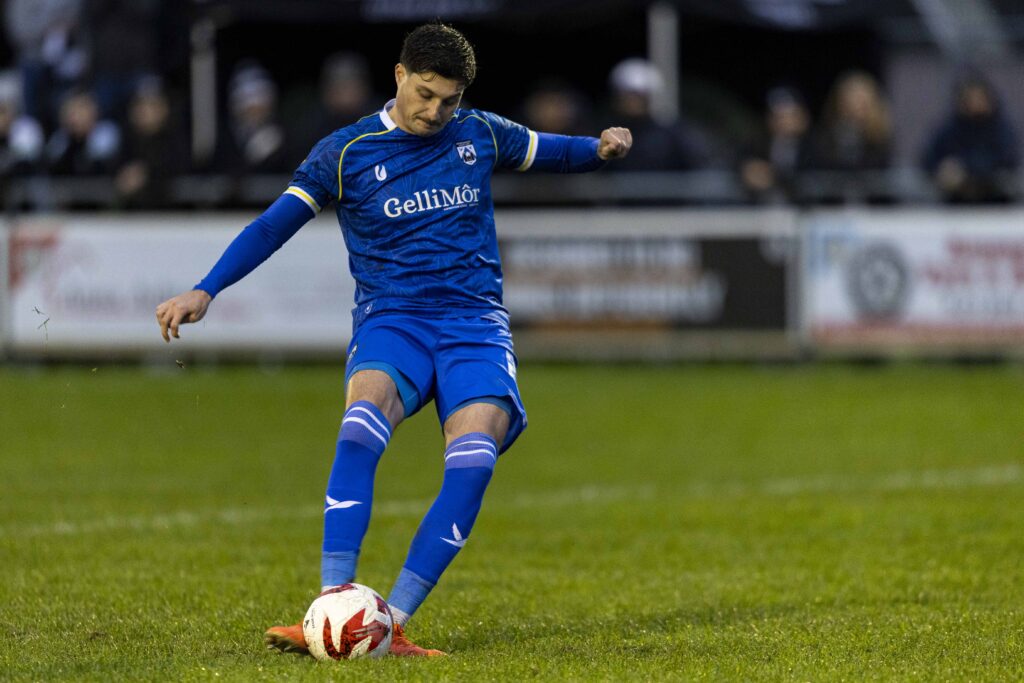
What happened to those at STM Sports?
The club may have disappeared, but its influence has continued through the people who were part of it.
Ben Ahmun became one of STM’s biggest success stories, establishing himself in the Cymru Premier with Pontypridd United and later Haverfordwest County.
With Haverfordwest, he experienced European football through UEFA Europa Conference League qualifying and earned recognition with the Wales C team.
Others continued their football journeys at Cardiff Corinthians, where several former STM players reunited.
Many remain involved throughout the lower levels of Welsh football, particularly around Cardiff, keeping alive the connections formed during STM’s rise.
Baah has also remained involved in coaching. At Cardiff Draconians, he guided the club to the Ardal South West title in 2025 before helping establish them in the Cymru South.
Elsewhere, STM figures Geza Hajgato and Nigel Bircham moved into new roles at Taffs Well, helping rebuild another historic South Wales club.
Dale Gardiner, who guided STM to the Welsh Division One title and was part of the management team behind their Nathaniel MG Cup final appearance, managed Taffs Well for a season.
The Legacy of STM Sports
They proved that a club without a long history, established fanbase, or decades of tradition could still create unforgettable moments. Their rise showed the power of ambition, belief, and the idea that a group of players and volunteers could build something far greater than anyone expected.
But their story also revealed the challenges facing clubs outside the professional game. Starting a football club is difficult; keeping one alive is even harder. Grounds must be maintained, finances managed, and licences secured. The work away from the pitch can become just as important as what happens on it.
STM existed for only 13 years, yet in that time they achieved what many clubs spend generations chasing. Their final chapter was not the one they wanted, but their journey remains one of Welsh football’s most remarkable modern fairytales.